
Ventless washer dryer units have changed how apartments and homes tackle laundry, especially where venting is not possible. If you need flexibility, efficient washing, and drying without major renovations or vent installs, a ventless system is probably on your radar. But is it the right fit for your actual everyday needs?
Key Takeaways
- Ventless washer dryer units are ideal for apartments and small spaces where traditional vented dryers are not allowed.
- Longer drying cycles and smaller load capacity are common tradeoffs, especially for combo and heat pump models.
- Proper installation, real-world cost analysis, and understanding building code requirements help avoid the top user pain points.
- What Is a Ventless Washer Dryer? Why It Matters in 2024
- How to Choose & Install a Ventless Washer Dryer (Step-by-Step)
- Advanced Analysis & Common Pitfalls: Before You Buy or Install
- Conclusion: Should You Buy a Ventless Washer Dryer?
- FAQ About Ventless Washer Dryer Units
What Is a Ventless Washer Dryer? Why It Matters in 2024
Unlike conventional dryers, ventless washer dryer units do not require an exterior vent for exhaust. Instead, they rely on advanced condensation or heat pump units technology to dry clothes by circulating and reusing air within a closed system. For apartments, rentals, or houses where drilling through the wall simply isn’t possible, ventless dryers provide a safe, code-friendly solution.
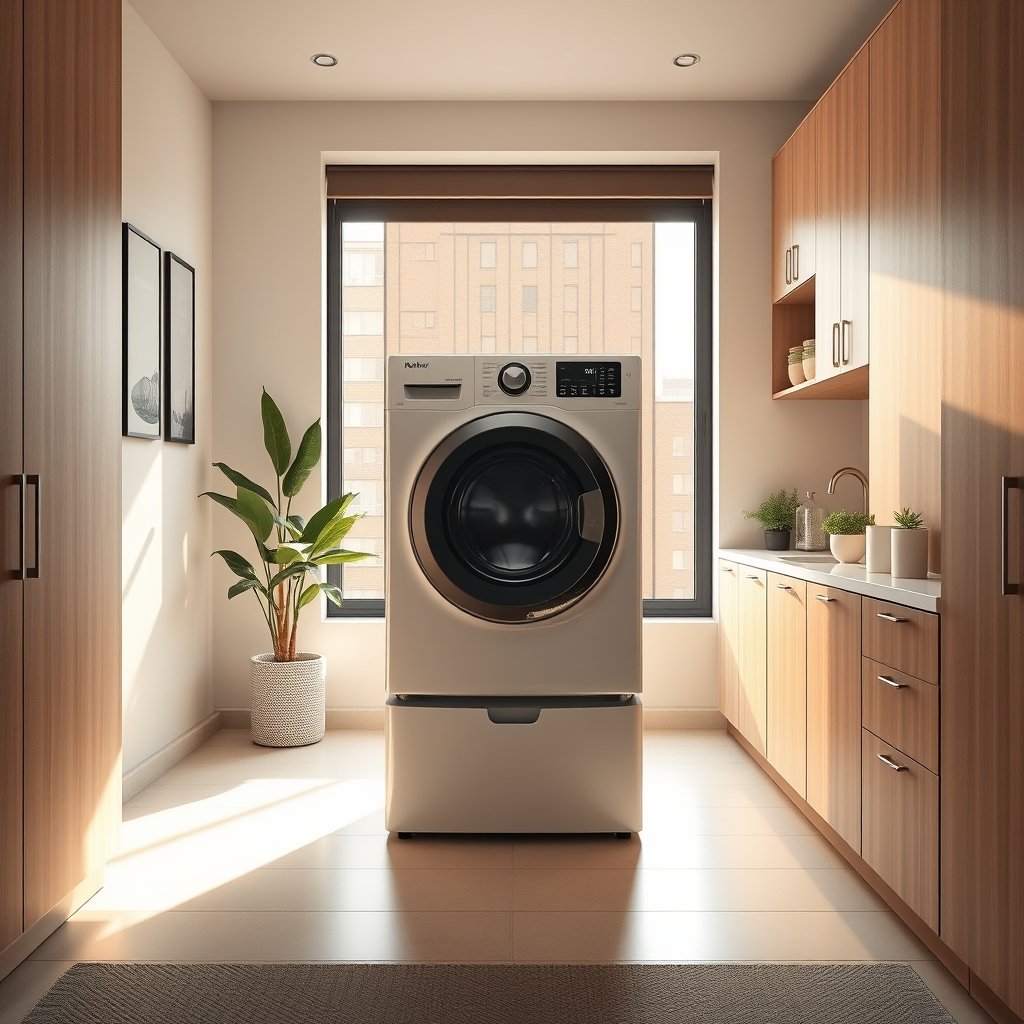
The growth is real. As of 2024, over 58% of apartments already use compact dryer formats, with 49% of the worldwide market shifting to ventless technologies. Heat pump ventless dryers alone represent 57% of adoption among modern builds, driven by energy regulations and urban housing constraints (source).
Why does this matter? It means improved flexibility in laundry layout, simpler installations, and fewer renovations. Especially in tight spaces — or in lease agreements that prohibit venting — a ventless washer dryer is often the only feasible path to in-unit laundry.
How to Choose & Install a Ventless Washer Dryer (Step-by-Step)
Finding the right ventless washer dryer for your home is about matching your space, needs, and constraints to what’s available on the market.
- Measure your available space thoroughly. Ventless units (especially combos) are typically more compact, but check closet depth, width, and door swings. Don’t forget to include space for hoses or power cords.
- Check your electrical capacity. Apartments sometimes lack dedicated circuits for laundry. Most ventless units operate on 120V or 240V and may require a specific breaker or outlet. Consult your building manager or an electrician if you’re unsure.
- Understand your drainage options. Some ventless dryers, especially heat pump and combo units, need to drain condensed water. This can go into a self-contained reservoir (which you empty) or into an existing drain pipe.
- Decide between combo, heat pump, or simple condenser units. Washer Dryer Combo do both in one; heat pump units offer faster, more efficient drying but may cost more. Condenser-only machines offer simplicity but usually require longer dry times.
- Read real-world user reviews focused on apartments or small spaces. Focus on pain points like drying time, noise, energy use, and moisture buildup in your setting.
- Compare purchase and installation costs. In most US/European markets, expect ventless units to cost more than basic vented models, but installation is often cheaper with no need for vent work (North America appliance cost data).
- Ask your landlord or check local codes. Not every building permits in-unit appliances. Ensure you’re clear on all restrictions before moving ahead.
Want more control over your living space? Space-saving isn’t limited to laundry. See how the EAST OAK deck box unlocks amazing, weatherproof outdoor storage in 2026 and works in tight patios or balconies.
Advanced Analysis & Common Pitfalls: Before You Buy or Install
If you dive into ventless washer dryer options without a plan, you may face expensive mistakes and daily headaches. Here are some advanced reality checks and user-verified issues to watch for.
| Type | Pros | Cons |
|---|---|---|
| Washer Dryer Combo (Ventless) |
|
|
| Standalone Heat Pump Dryer |
|
|
| Traditional Vented Dryer |
|
|
What do actual users complain about most?
- Long drying times, sometimes 2–3 hours per cycle for full loads (especially for towels and heavy items).
- Increased moisture or condensation in closed spaces.
- Frequent filter maintenance and occasional drainage issues.
- Capacity frustration — most combos support only 2–2.5 cubic foot wash or dry loads, while vented units may handle 7+ cubic feet.
- Unclear installation requirements for condensate drainage and dedicated electrical.
Real economic picture: Costs add up. While many ventless washer dryers cost more up front (especially heat pumps), they usually cost less to install since venting isn’t needed. But energy and maintenance costs over time are less predictable due to longer cycle times and the need for regular cleaning.
You may find stacking models or slim appliance footprints helpful. For more apartment organizing, check out smart small-space solutions such as foldable mini drones for hobbyists—because maximizing every inch matters!
Other Common Pitfalls: Missed by Most Articles
- Reviewers often skip detailed cycle economics—how energy and run-time really vary by load type.
- Few address quirky install situations: stacking, condensate hoses, or legacy electrical in older buildings.
- Long-term maintenance (filter, condenser, and access/repair costs) is rarely included in “cost” comparisons.
Conclusion: Should You Buy a Ventless Washer Dryer?
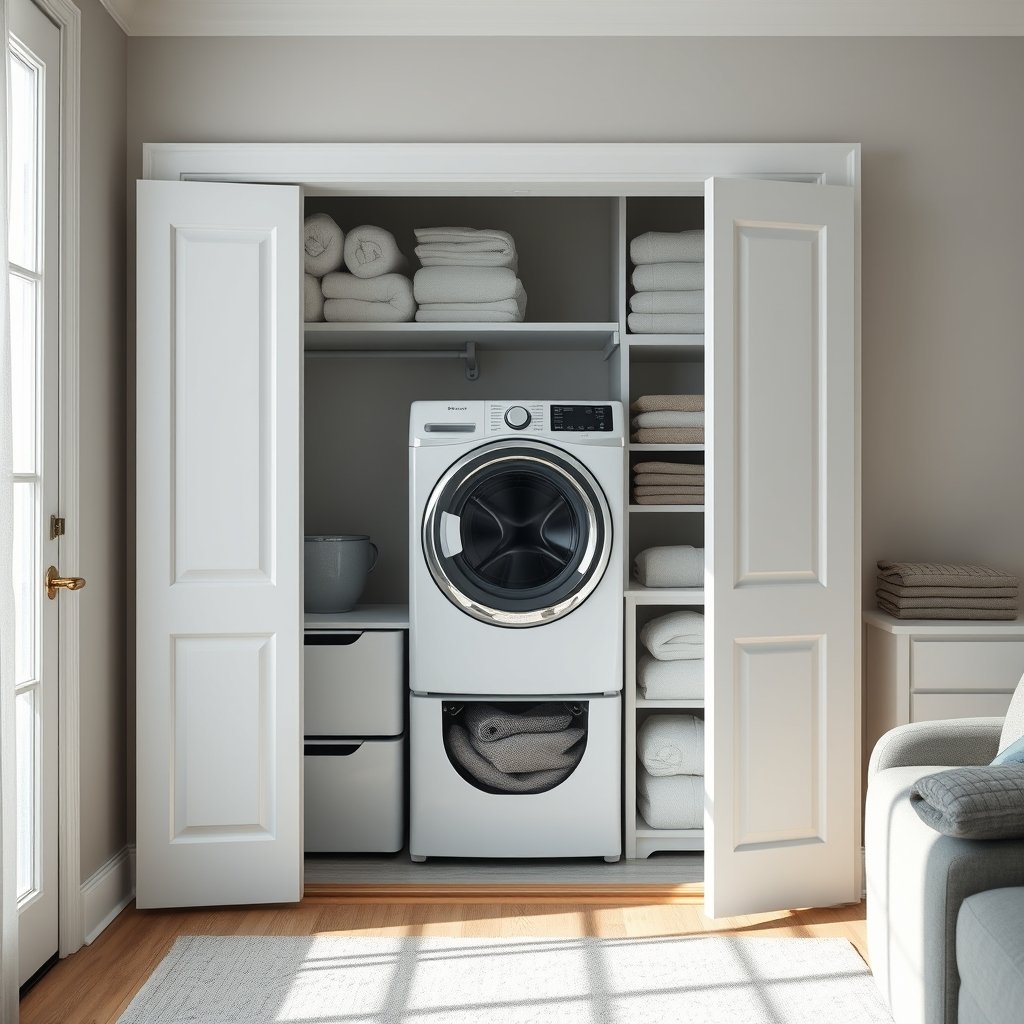
A ventless washer dryer gives you true flexibility and is often the only way to add real laundry capacity in an apartment or small home. Adoption is rapidly increasing—over 57% of new global installs are heat pump or ventless types. If you’re willing to trade longer cycle times and a bit more hands-on maintenance, you’ll enjoy convenience and a safer install with fewer code headaches.
If you value in-unit laundry and want to unlock apartment space without major renovations, a ventless washer dryer is likely your best bet. Shop diligently, compare specs carefully, and don’t overlook site-specific install details before purchasing. Ready to upgrade your home systems? Dive into space-maximizing outdoor storage picks or stay tuned for new product guides on innovative, code-friendly appliances.
FAQ About Ventless Washer Dryer Units
How long does it take to dry clothes in a ventless washer dryer?
Ventless units typically take 2–3 hours to dry a full load, with combos often being slower than standalone heat pump dryers. Thick fabrics like towels may require extra time or a second cycle.
Do ventless washer dryers use more electricity than vented models?
Combo ventless units are usually less efficient than standalone heat pump dryers. While heat pump dryers recycle heat (using less kWh per cycle), longer cycle times can offset some energy savings.
Can I install a ventless washer dryer in any apartment?
Most allow it, but always check with your landlord and local codes first. Some units may require accessible drainage or a specific power outlet. Permanent modifications may not be allowed in some buildings.
What maintenance does a ventless dryer need?
Regularly clean lint filters, empty condensate tanks (if applicable), and occasionally rinse condenser coils. Maintenance is generally more frequent than vented dryers, but most tasks are DIY-safe.
Will a ventless washer dryer add moisture to the room?
Ventless units are closed systems, but some may release small amounts of moisture into the space—especially if the unit or its seals are old. Proper installation and ventilation help minimize this risk.