
### Blog Post:
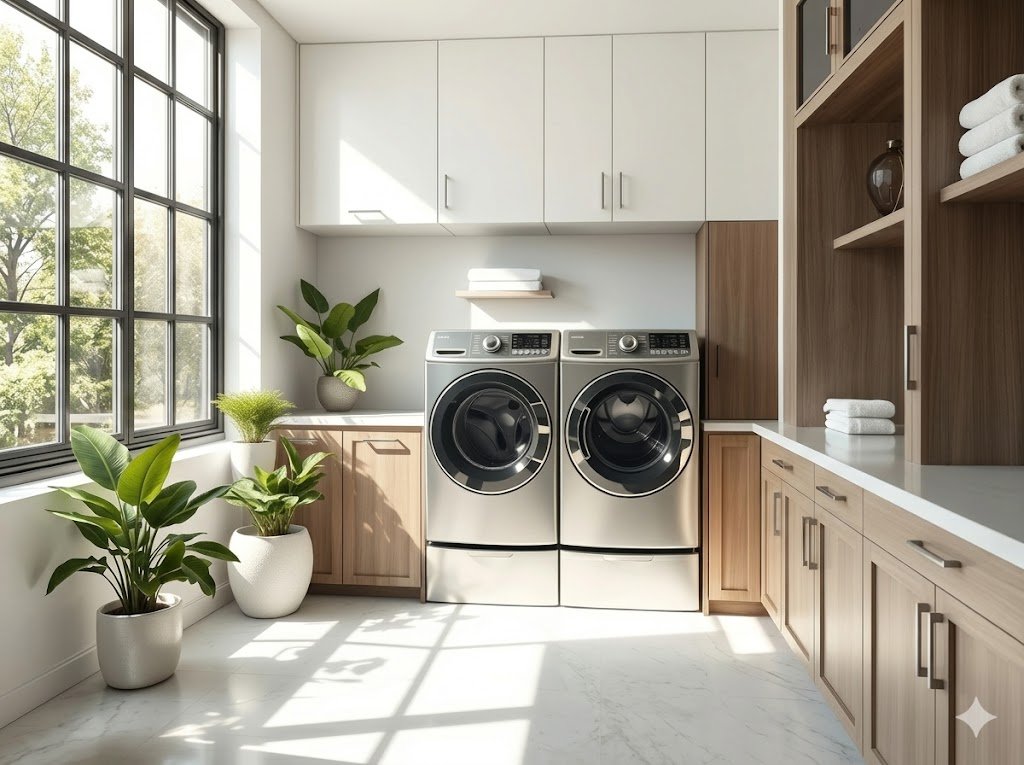
Looking to maximize laundry flexibility in a small space? The ventless washer dryer is rapidly becoming the top solution for apartments, condos, and challenging installs. But is it truly a seamless upgrade—or are there real-life drawbacks you need to know before buying? Get the facts below.
Key Takeaways
- Ventless washer dryer combos and heat pump dryers are growing 5-6 times faster than standard laundry appliances thanks to urbanization, energy efficiency, and flexible installation.
- Long wash-dry cycles and smaller effective drying loads are common drawbacks—be realistic about your daily laundry needs.
- Proper installation (drain, electrical, ventilation to control humidity) is crucial; review your space and power requirements before replacing a traditional dryer.
The Core Concept: What Is a Ventless Washer Dryer and Why Choose One?
A ventless washer dryer is a laundry appliance that both washes and dries clothes without requiring any external air vent. Unlike traditional dryers—which send hot, moist air out through ductwork—ventless models use condensation or heat pump technology to extract moisture and collect or drain the water internally. This means you can install them almost anywhere: small closets, interior rooms, apartments, historic homes, or even basement flats where routing a vent is costly or impossible.
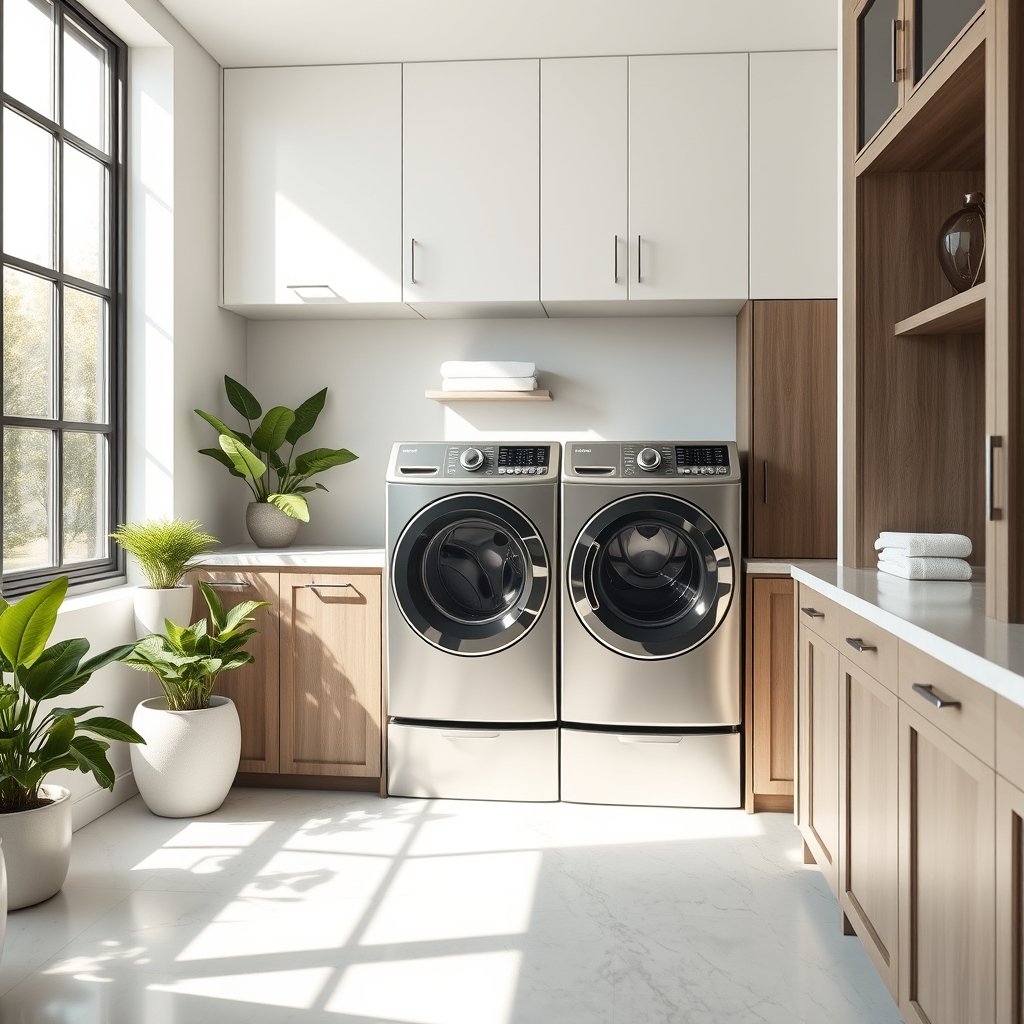
The surge in popularity for ventless combo units is not just about saving space. According to global market research, the all-in-one washer dryer market is growing at nearly 16 percent each year, outpacing conventional laundry machines. Reasons include urban growth, smart appliances, and the demand for energy-efficient, all-electric homes.
If space, venting, or energy constraints matter in your home, a ventless washer dryer offers unique advantages over standard vented appliances. But it’s essential to balance these benefits with practical limitations, which we cover step-by-step below.
Step-by-Step Guide: How to Select, Install, and Use a Ventless Washer Dryer
Ready to upgrade or downsize your laundry setup? Follow these steps to ensure your ventless installation is smooth and your results are as good as possible:
-
Assess Your Laundry Space and Utilities
Determine where you can place the unit—closet, kitchen, bathroom, or utility room. Check if you have access to a 120V or 240V power source, and find a drain (standpipe, sink, or floor drain). Remember, ventless does NOT mean water just evaporates—it must be collected or drained. -
Choose the Right Capacity and Technology
Most ventless washer dryer combos range from 4.5 to 5.3 cu ft, but drying works best if you fill them only half to two-thirds. Heat pump dryers use far less energy than vented ones but can take longer. -
Review Installation Details
Make sure your location meets electrical specs—many combos require 240V similar to a standard dryer, but check the model. Secure a water drain line or plan to empty the condensate reservoir regularly. Consult an electrician and plumber if needed. -
Install and Run Initial Test Cycles
After the appliance is in place and power is connected, do small loads for your first wash and dry cycles. Learn the controls—combos may have extra symbols, sensors, or app features. -
Regular Maintenance
Clean lint filters and inspect condensate drains monthly. Run self-cleaning cycles as recommended. This reduces odors and maximizes efficiency.

Want your laundry area to do even more? Many users pair their ventless units with space-maximizing storage like the EAST OAK deck box for efficient utility room organization.
If you’re drawn to smart home features, some modern models offer Wi-Fi monitoring—similar to upgrades found on top beginner drones and other modern appliances.
Advanced Analysis & Common Pitfalls: What Most Buyers Don’t Realize
While ventless washer dryers and heat pump units deliver space savings and flexibility, there are real-world drawbacks that often surprise new users. Here’s an actionable review of issues—plus how ventless units compare to conventional options:
| Feature | Ventless Washer Dryer Combo | Heat Pump Dryer | Traditional Vented Dryer |
|---|---|---|---|
| Cycle Time (typical) | 3–6+ hours (wash/dry cycle) | 1.5–2.5 hours | 45–90 minutes |
| Effective Load Size | 50–60% drum capacity | Full drum (matching dryer rating) | Full drum |
| Maintenance | Filter/lint cleaning + occasional self-cleaning cycles | Frequent filter cleaning, manage water reservoir or drain | Lint trap and duct cleaning |
| Energy Usage (annual) | Varies; combos are efficient for small loads but can offset savings with long cycles | 300–600 kWh/year | 600–900 kWh/year (electric), lower if gas fired |
| Installation | No vent needed; must have drain + adequate power | No vent; needs drain or tank + power | Requires vent duct to outside (and possibly gas line) |
| Typical Price (2024) | $1700–$2900 | $1000–$1800 | $600–$1000 |
| Best Application | Apartments, condos, rooms with no vent access | All-electric homes, locations with high power cost, basement/laundry closets | Detached homes with vent access |
Additional pitfalls to watch:
- Cycle confusion: Combo units often have bewildering settings; read the manual and start with basic presets. Over-drying and under-drying are common.
- Reliability: Newer all-in-ones can be difficult to service and lead to double downtime (no washer or dryer if one fails) and slow repairs due to parts/specialist backlog.
- Moisture management: Ventless units still expel some heat and humidity. Ensure your laundry closet/room has good air flow, especially for condensing combos.
- Installation complexity: Upgrading from a vented model to ventless may require new power outlets or a drain. For older homes, budget accordingly.
More advanced buyers may also consider energy cost payback as discussed here, especially with rising energy prices and electrification incentives. If comparing investment vs. speed, traditional systems may be better for heavy users who need rapid turnaround and already have safe venting and utility lines set up.
Conclusion: Should You Go Ventless?
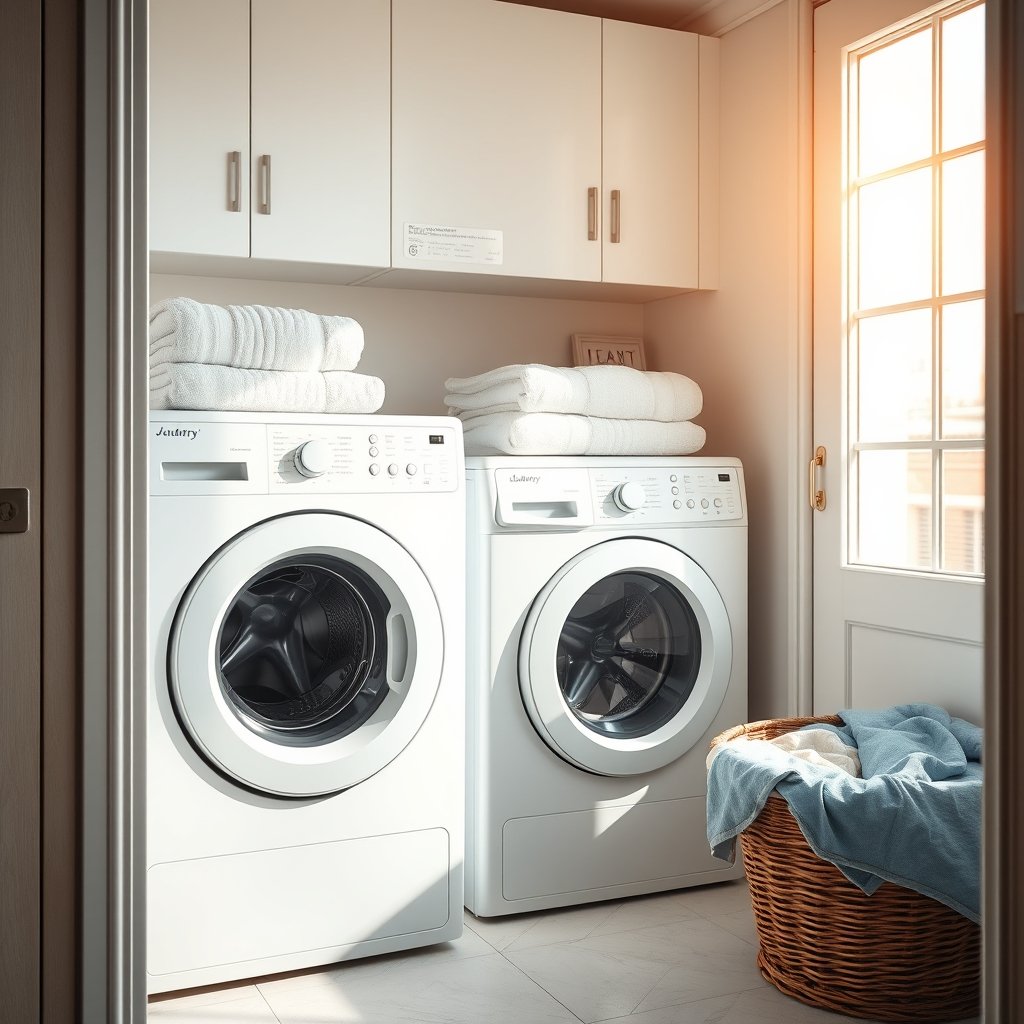
If you live in a multifamily building, older house, high-rise, or anywhere that lacks a simple dryer vent, a ventless washer dryer could be the upgrade that finally fits your space. The technology is mature and growing fast—especially for heat pump dryers that pair efficiency with lower carbon impacts. But know the trade-offs: longer cycles, need for care with loads, and up-front expense. Research models and install requirements, then weigh these against your actual laundry habits and building setup.
Ready to take the next step? Learn more about ventless washer dryer options through professional reviews and deep dive market analyses like the Mordor Intelligence report. Shop smart, compare lifetime cost—not just the sticker price—and enjoy the flexibility of a laundry room almost anywhere you want it.
Still deciding? Browse related technology solutions and storage tips right here at FixHomeSmart for inspiration and practical recommendations.
Let us know your experience or questions on installing a ventless washer dryer—and check more guides for smarter home upgrades.
FAQ: Ventless Washer Dryer Essentials
Do ventless washer dryers really dry clothes completely?
Yes, but only if you avoid overloading the machine. For full dryness, load less than the washer’s maximum and use the appropriate fabric setting. Expect longer cycles than standard vented dryers.
Can I install a ventless washer dryer in any closet or room?
Almost anywhere—with the crucial caveats that you have a suitable electrical outlet and a drain for condensate. Some ventilation is needed to prevent buildup of heat or humidity in totally sealed rooms.
Are ventless and heat pump dryers more expensive to buy and run?
Purchase price is higher than entry-level vented dryers, but operating costs are lower due to reduced energy usage. Actual savings depend on local electricity rates and how frequently you use the dryer.
What maintenance does a ventless washer dryer require?
Clean all lint filters and condensers regularly—some require monthly maintenance or self-cleaning cycles. If using a condensate tank, empty it as needed (or connect to a drain).
Are there building types where ventless combos are not recommended?
Traditional vented dryers are often better for detached homes with existing venting and high laundry volumes, due to faster cycles and lower upfront costs.
—